A monastery guesthouse is one of the quietest bargains in travel: a clean room, simple meals, and long stretches of silence, offered by people whose main work is not hospitality at all. Guests have been received at monastic doors for centuries — the Rule of St Benedict tells communities to welcome every arriving visitor as Christ — and most houses that take guests today still run on that logic. What you get is not a hotel and not quite a retreat centre either. It is someone's home, run to a timetable that was set long before you arrived.
That timetable is what first-time guests most often underestimate. Get it right and the stay is restful, inexpensive and oddly memorable. Get it wrong — rolling in at midnight, expecting breakfast at ten, chatting in the corridor after Compline — and you will spend your visit apologising to people who are far too polite to complain.
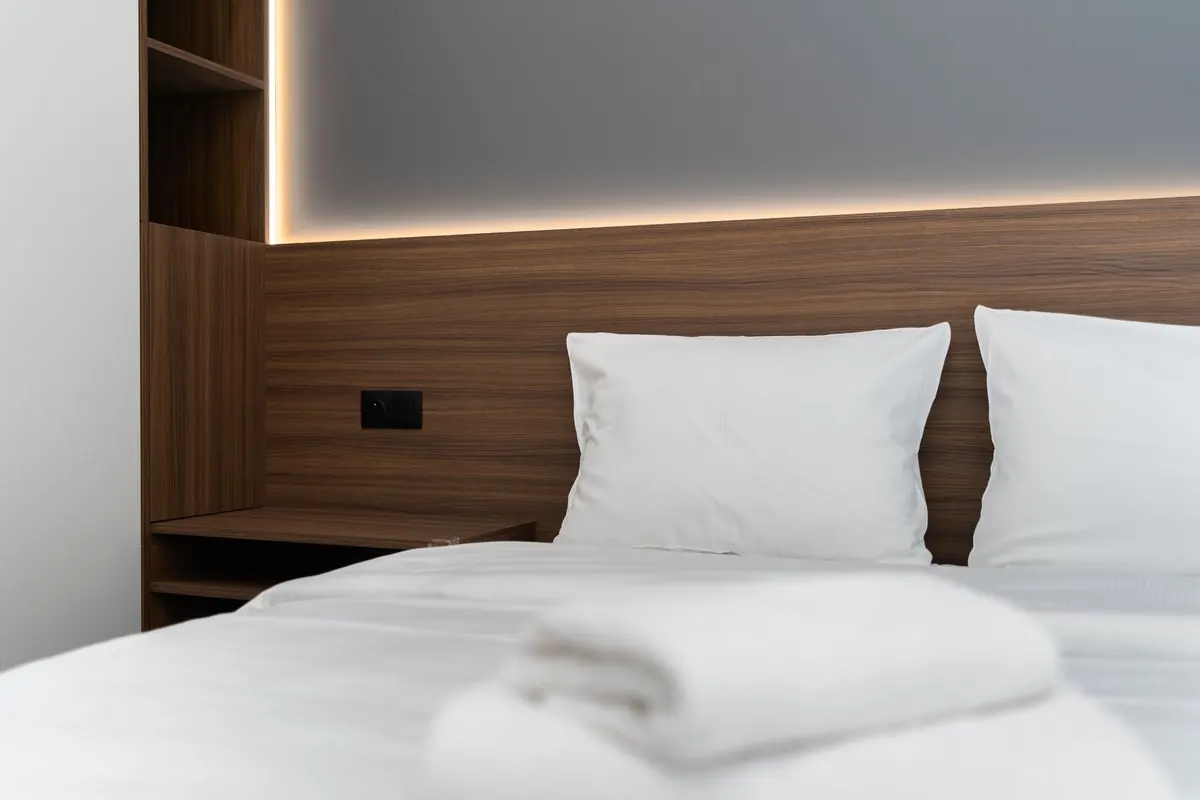
Rooms vary enormously. In an old house you might get a former cell with a single bed, a desk, a chair and a crucifix on the wall, with a bathroom two doors down the corridor. A newer guest wing may have en-suite showers, central heating and somewhere to hang a coat. Almost all of them are plain, spotlessly kept and free of clutter.
A monk or nun — often given the title guestmaster or guestmistress — looks after visitors alongside their other duties. That person is your point of contact for everything: keys, meals, the washing machine, the fact that you have locked yourself out. Remember what the house is not. There is no room service, no bar, no late checkout, no one to chat to at reception at eleven at night. Some houses are strictly silent; others hum with families, walkers and parish groups. Neither is better, but you should know which one you have booked.
Most monastic guesthouses are booked directly, by email or telephone, and often weeks or months ahead. Booking platforms rarely list them, and when they do, the details are often out of date. Work from the house's own website or a reputable monastic hospitality listing, and expect a reply from a human being rather than an automated confirmation.
Note that many houses will not take children below a certain age, single guests in dormitory accommodation of mixed sex, or large groups without notice. If you are unsure whether you will fit, ask. Nobody will be offended.
Assume less than a hotel and more than a hostel. Heating may be on a schedule, hot water may take a minute, and Wi-Fi may reach only a common room — or not at all. Take slippers, because corridors are hard-floored and you will be moving quietly; a dressing gown if the bathroom is down the hall; a small torch; and layers, since stone chapels are cold even in July. Bring an alarm clock or set a silent vibration alarm rather than a ringing phone, and earplugs if you are a light sleeper and the house has an early bell.
Meals are served at set hours and announced when you arrive. Breakfast is usually bread, butter, jam, cereal, tea and coffee. One main meal is often taken with the community or at a guest table, sometimes in silence while someone reads aloud; other meals are self-service. Vegetarian diets are usually easy to accommodate if you mention them when you book. Vegan, gluten-free and allergy needs are harder in a small kitchen shared with a fixed menu, so say so in advance rather than at the table.
Alcohol is rarely served. If you are out for the day, tell the guestmaster you will miss a meal so that nothing is prepared and thrown away. Turning up twenty minutes late to a silent refectory is not the gentle entry you imagine.
In Benedictine houses the Great Silence generally runs from Compline, the last office of the night and usually said between eight and ten, until after the morning office or Mass. In practice that means no talking in corridors and no noise in rooms from late evening until mid-morning. Other houses keep a looser version. Ask on arrival, write the hours down, and treat them as fixed.
Quiet hours usually mean headphones rather than speakers, no phone calls in the room, doors closed gently, and no walking the grounds after dark. Some guesthouses lock the gate after Compline, so if you plan to eat in the village, check the curfew and ask about a key before you go out.
Do not treat the silence as an obstacle. It exists largely for the community at prayer, and guests are almost always welcome to join the offices and Mass. Dress plainly, arrive before the bell stops ringing, and stay for the whole service unless you really must leave — slipping out mid-psalm is noticed, and the door is loud.
Confirm your dates, arrival window and any deposit. Ask what time the gate is locked and whether you need a key. Note the meal times and the quiet hours somewhere you will actually see them. Pack slippers, layers, a torch and a non-ringing alarm. Check whether you need cash, and whether the nearest shop or station is a walk, a bus ride or nothing at all.
Then lower your expectations of being entertained, and raise them of being rested. The best monastic stays are the ones where a guest arrives with a book, a pair of walking shoes and no plan beyond attending a few offices and eating what is put in front of them. If you are travelling with a health condition or a tight budget, plan accordingly and speak to the guesthouse in advance; for anything serious, take your own medical or financial advice before you travel.
Photo: Mateusz Pielech / Pexels